Cartier Replica, Cartier Tank Replica

Three Unusual Cartier Tank Replica Watches from the Past 100 Years

If you follow any watch blogs or magazines, odds are that you are already aware that this year is the 100th anniversary of the Cartier Tank Replica. Much has been written about the six new versions of the Tank Louis Cartier that were unveiled a few months back, and for good reason: to many people, the Cartier Tank is the Platonic ideal of a dress watch. I have a personal soft spot for the iconic model as well — I fell in love with the watch’s quadrilateral design at a young age and it drove my watch obsession that continues to this day. Rather than discuss what the Tank’s centenary might mean going forward like so many others already have, I’d like to highlight three uncommon Tanks that have largely disappeared from the public eye but are some of the most unexpected watches Cartier ever produced.
The Cartier Tank á Guichet
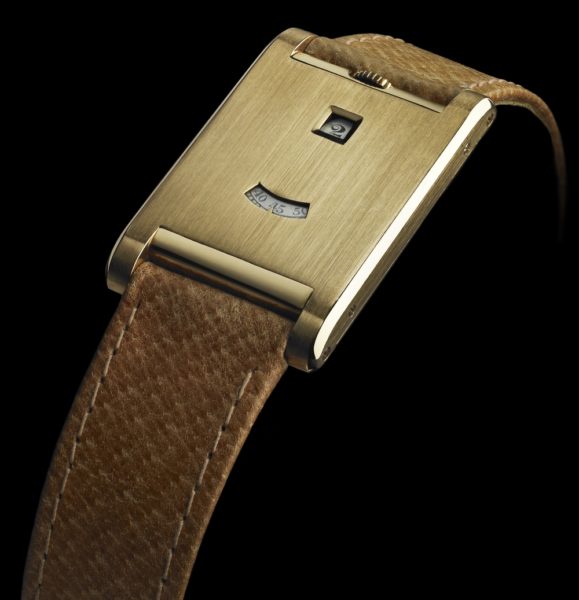

The 1928 Cartier Tank á Guichet.
If you paid attention to the Phillips Winning Icons auction that featured Paul Newman’s record-breaking Rolex Daytona, you may have noticed something curious about Lot 31. That 1931 Cartier Tank á Guichet ended up selling for $131,250, but the real story behind the unorthodox design goes back three years earlier to 1928 when the watch was created with a jumping hour in response to a growing interest in watches with a numerical display. Unlike modern jumping hour and minute watches — think the A. Lange & Söhne Zeitwerk — the Tank á Guichet doesn’t even have a visible dial. Rather, it featured a large expanse of metal with two tiny windows (guichets) that displayed the hour and minute. Cartier released multiple versions of the watch that often featured very different placement of the windows and crowns, sometimes the crown would be at 12 or 3 o’clock and the minute opening would be at 12 or 6 o’clock. These watches are exceedingly rare and someday I’d love to see a modern interpretation of this surprisingly masculine take on the Tank.
The Cartier Tank Asymétrique

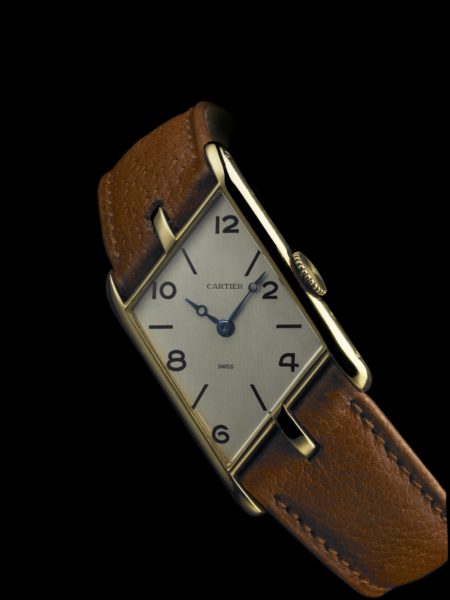
The 1938 Cartier Tank Asymétrique.
While watches that are angled to this degree are common in both auto and aviation timepieces, it’s extremely rare to see a dress watch with the feature. The idea behind the turned dial is that the watch becomes more legible if your hand is on the wheel of a car or airplane. I’m still not sure what the value is on having the watch turned to this extent during a cocktail party or dinner, but maybe it had a specific purpose in mind when it was introduced in 1936. Regardless of its functionality, it’s just a handsome timepiece that inverts the idea of a Tank on its head. The rotation of the dial ends up placing 6 and 12 o’clock in the corners, and the overall sobriety of the Asymétrique serves as a departure from the decidedly avant-garde Tank á Guichet.
The Tank Must de Cartier
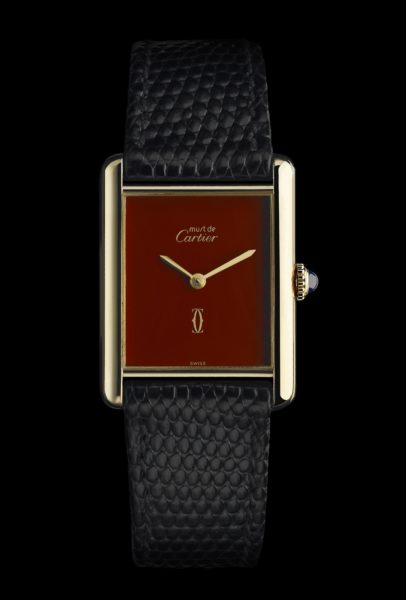
The 1977 Tank Must de Cartier in Red.
You may remember this cartier tank solo replica from the late 1970’s when the Swiss timepiece industry was still in the throes of the Quartz Crisis. The Les Must de Cartier collection came at a time when popular opinion was highly critical of luxury goods. Cartier — being one of the world’s largest luxury Maisons — took this opportunity to release its first-ever line of quartz watches. They were an instant success and became recognizable around the world for having colorful lacquered dials with no numerals. The Must de Cartier helped reinvigorate the brand and introduced them to a much larger, aspirational clientele.
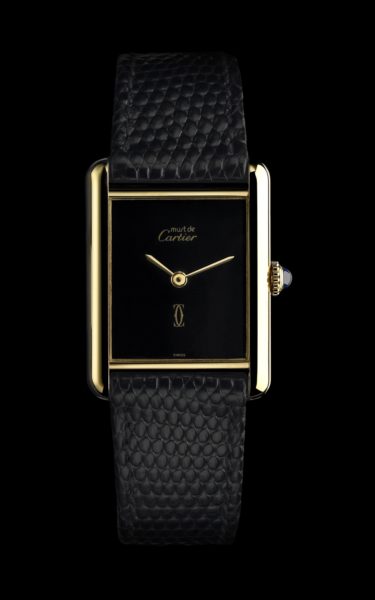

The 1977 Tank Must de Cartier in Black.
Cartier Panthère de Replica, Cartier Replica, Cartier Rotonde de Replica

Replica Cartier Resurrects an Iconic Collection

The 1980s are making a comeback – shoulder pads, big hair, and now, the Panthère de Cartier.


Cartier: Panthère de Cartier
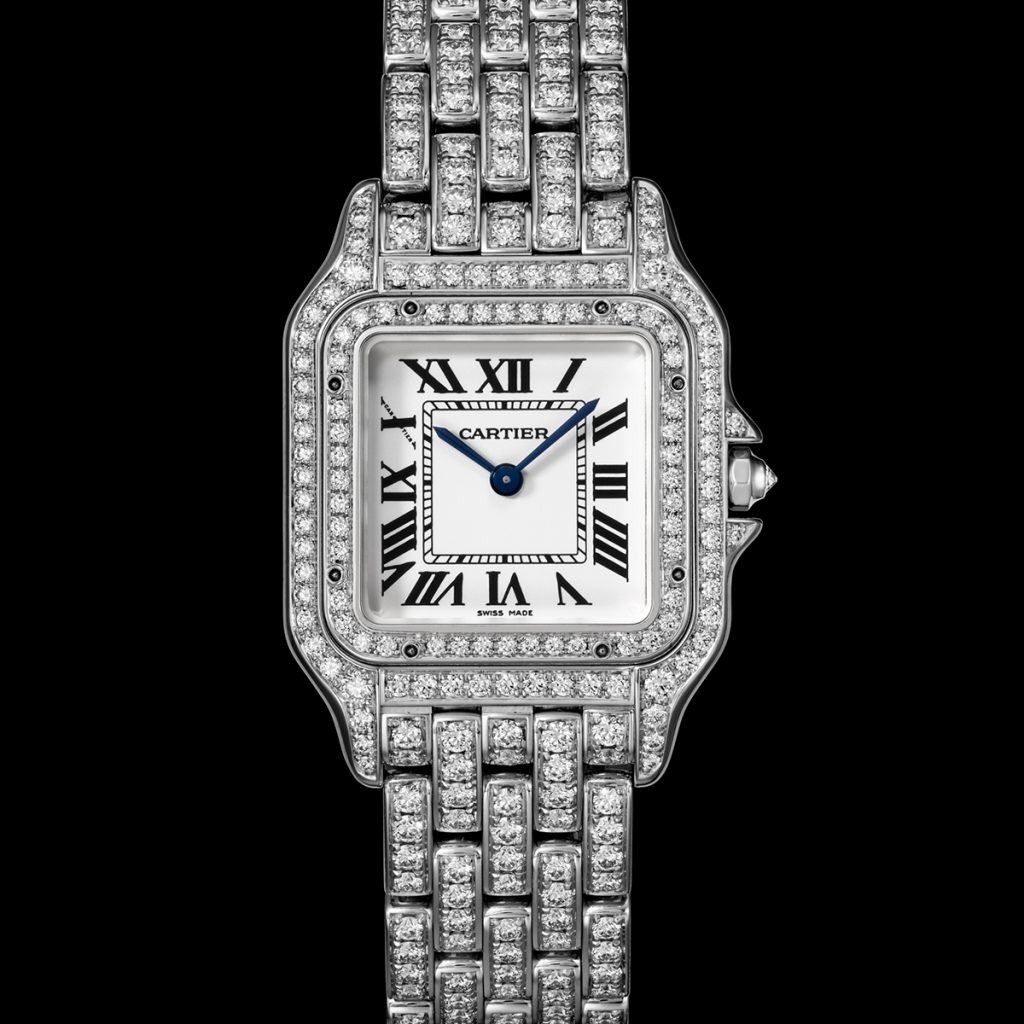
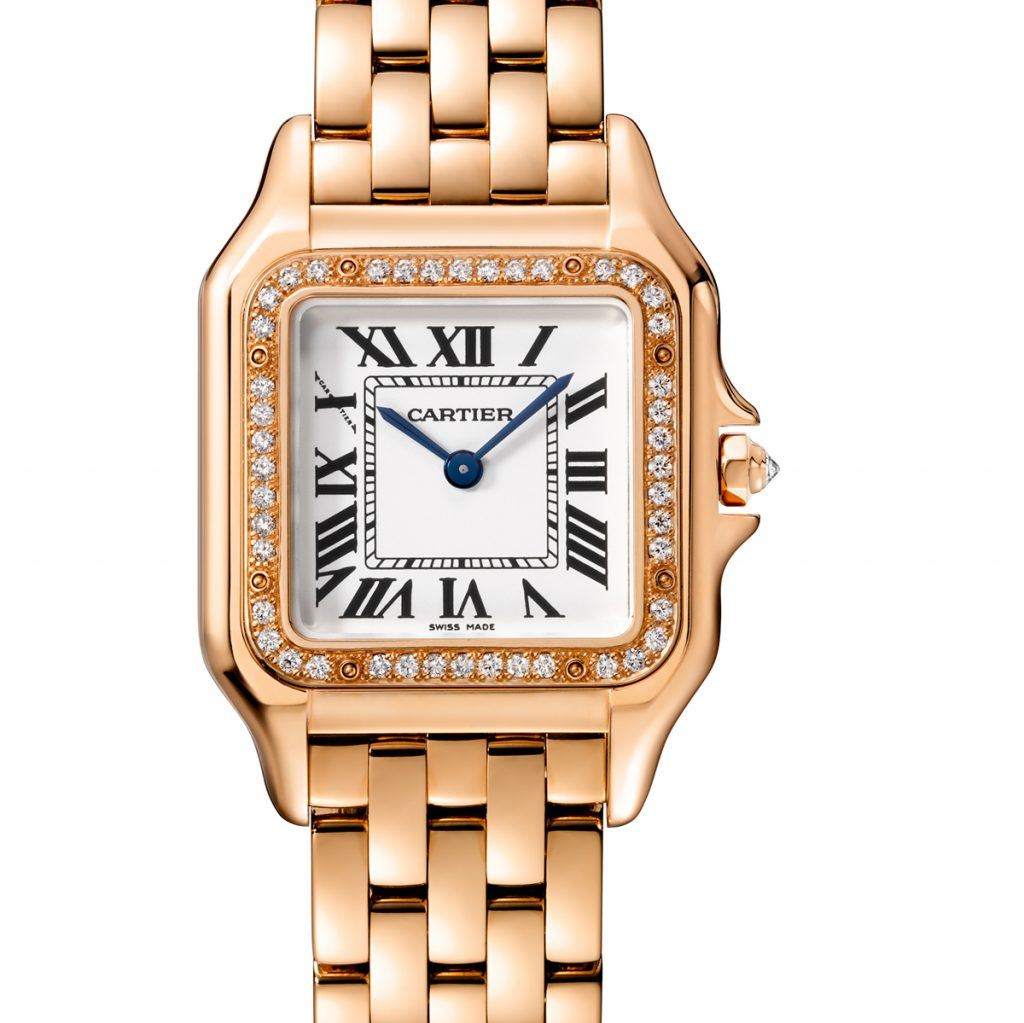
Originally introduced in 1984, the Panther collection was the ultimate representative of the signature Cartier motif, even though it was perhaps the least literal interpretation. It was (and is again) a volume collection, with multiple references and price points, something the market seems to call for at the moment.


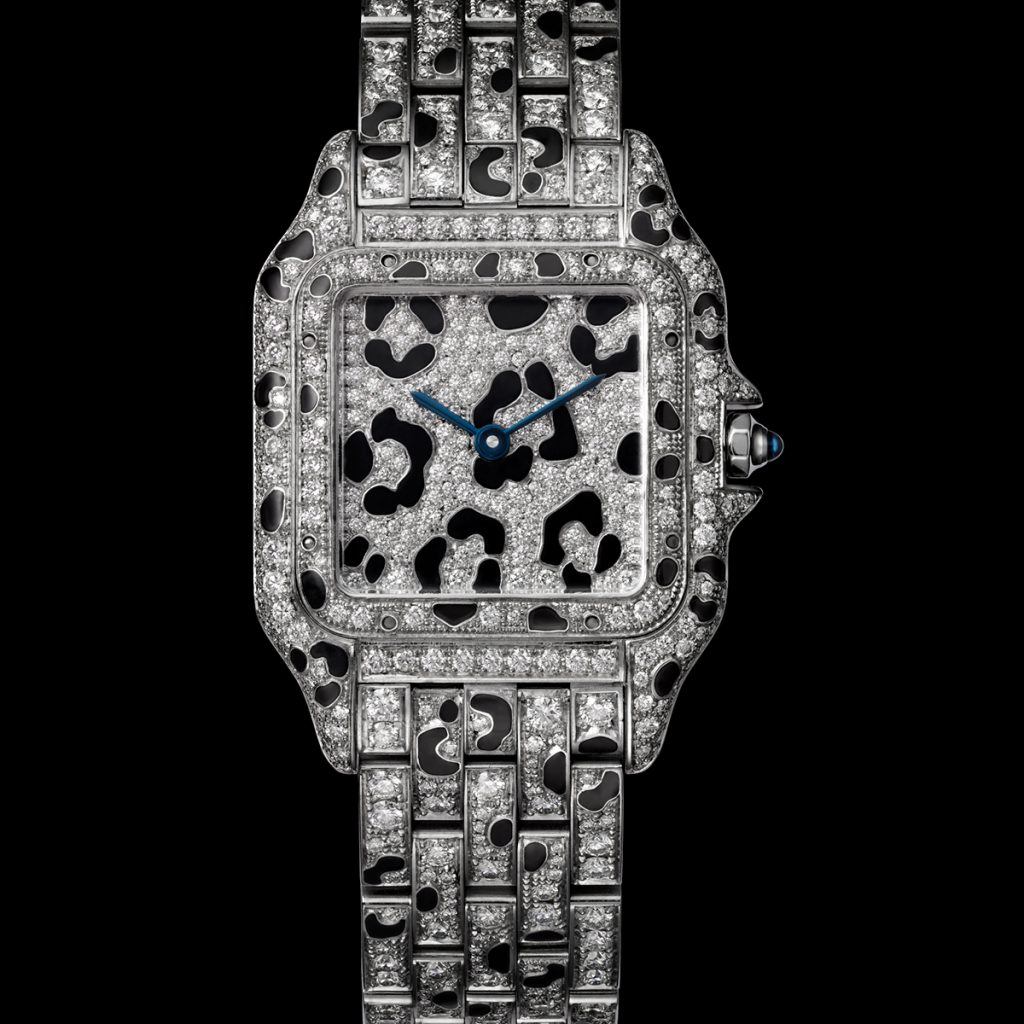
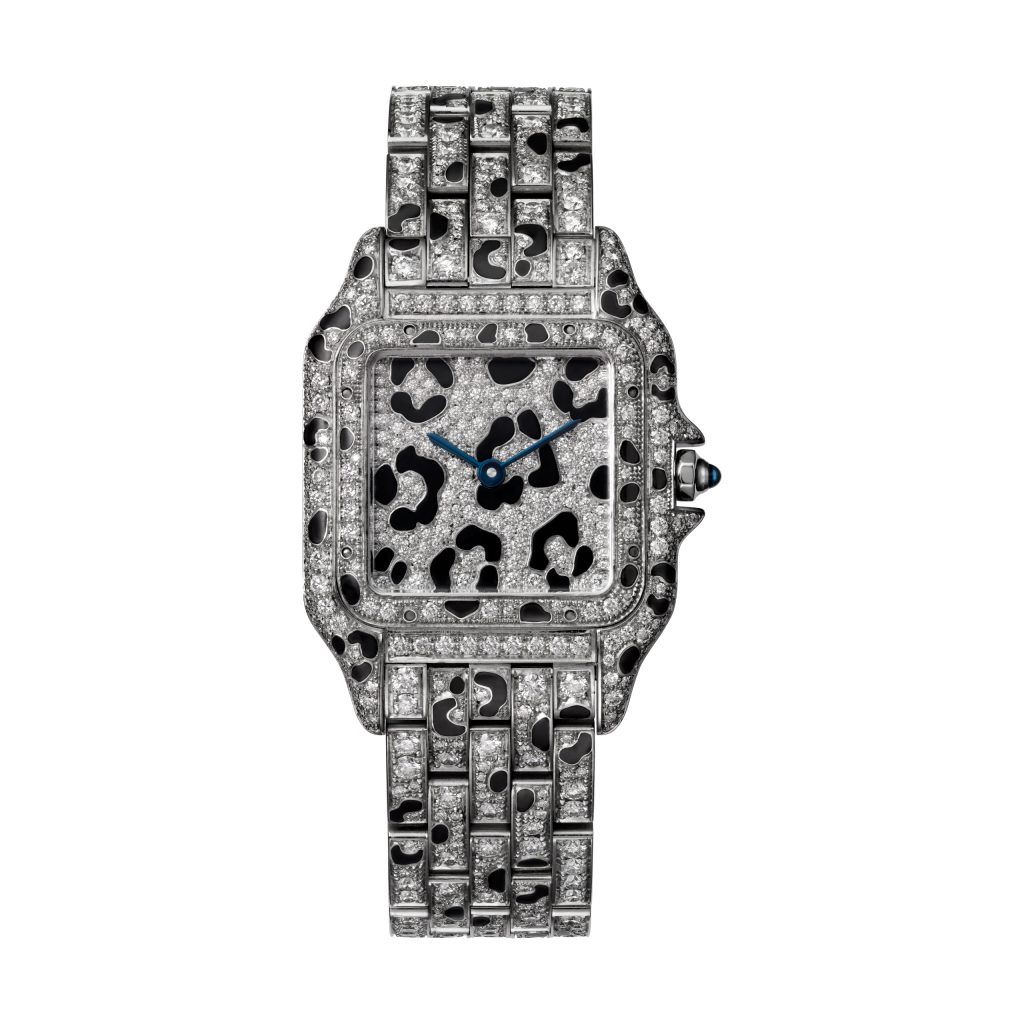
The design is exactly the same as the original: square case with screws on the bezel, Roman numerals, railway track index, and a tiny Cartier Replica  logo embossed in the X digit – distinguishing it from the counterfeits. The line was discontinued in the early 2000s, and is being resurrected as a full collection in three sizes with a pavé version, a lacquer-and-gold jewelry edition, and a vintage-looking yellow-gold piece, with prices ranging from $4,000 to $140,000. Only the bracelet construction and the movements are new.
Cartier: Panthère Royale & Cartier: Panthère Joueuse


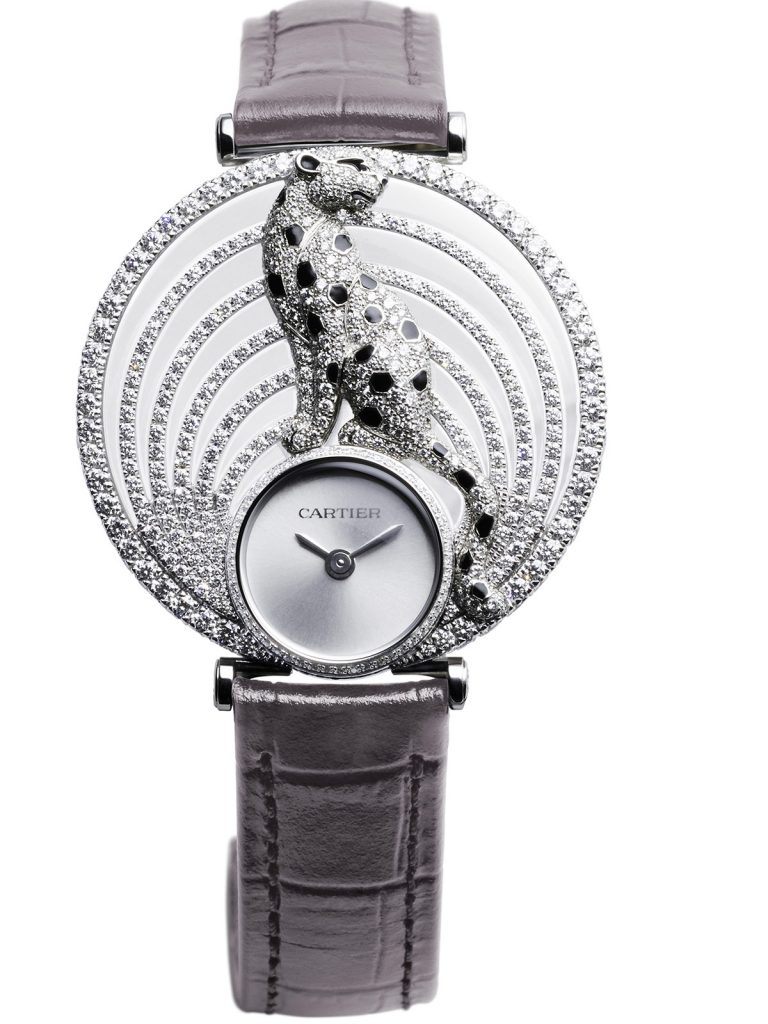
The Panther also made its annual appearance in high jewelry form at the SIHH this year, highlighted by the Royale and the Joueuse. The Panthère Royale (below) was inspired by a famous panther and sapphire brooch made by Cartier in 1949 for the Duchess of Windsor, designed in concentric circles set with diamonds surrounding a panther set with diamonds.


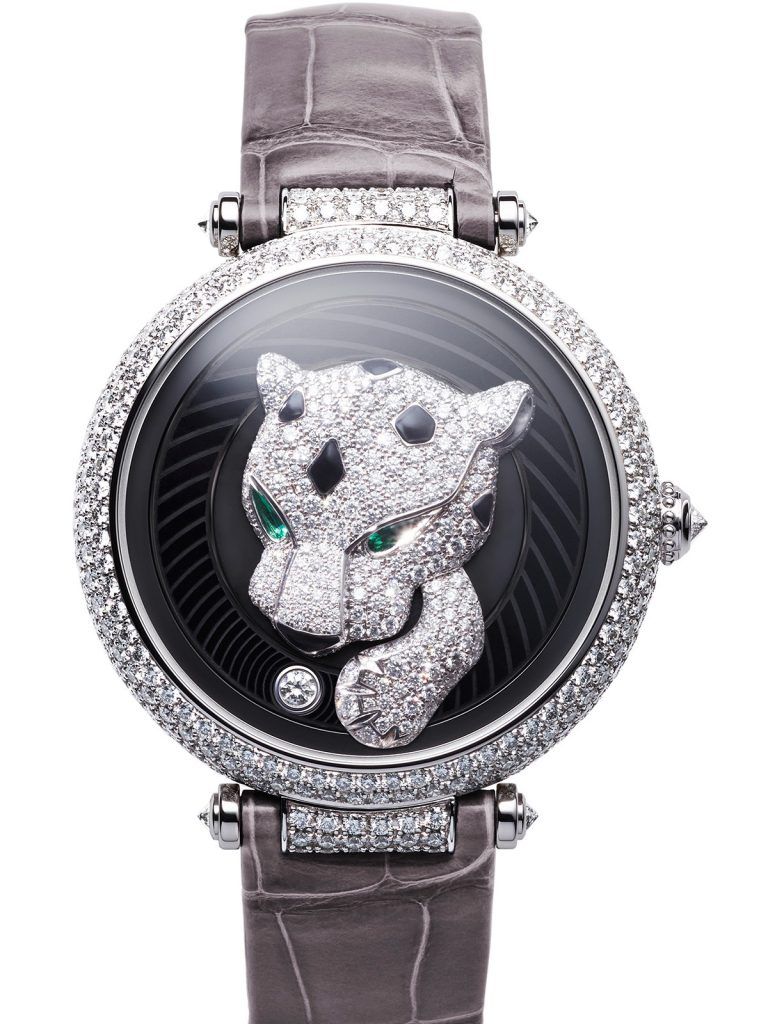
The panther on the Panthère Joueuse (below) is depicted with an outreached paw that follows a diamond-set ball around the dial, as if playing with it. The ball indicates the hours, and the paw, the minutes. The panther is set with 254 brilliant cut diamonds with lacquer spots and emerald eyes. It contains a new complication, the automatic Caliber 9918.
Cartier: Rotonde de Cartier Minute Repeater Mysterious Double Tourbillon


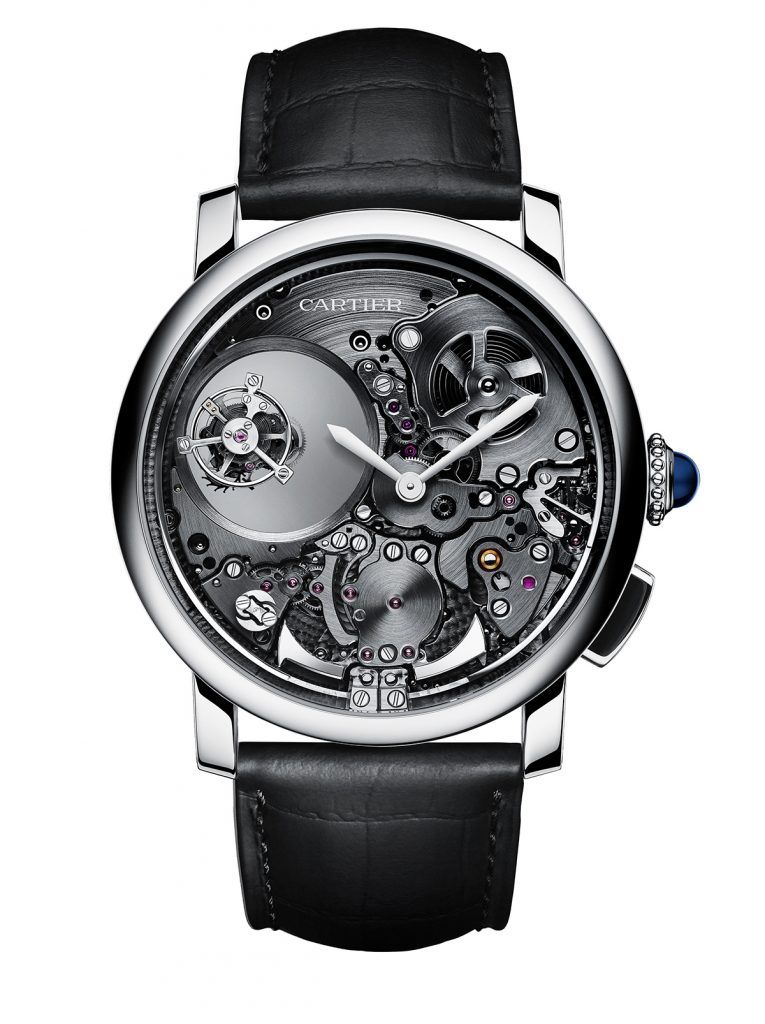
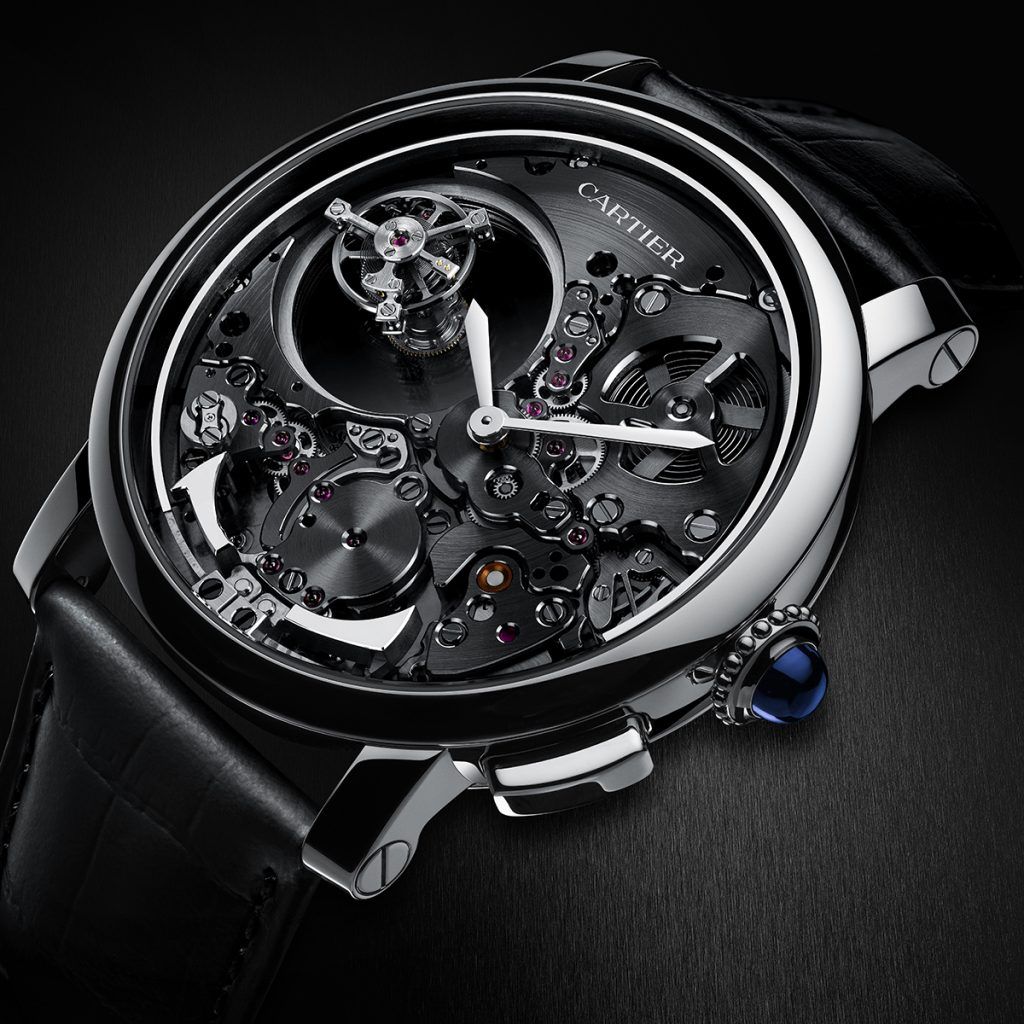
In recent years, Cartier has placed a focus on its fine watchmaking department, managed by watchmaking maestro Carole Forestier, in an endeavor to build the brand among male aficionados. Among Forestier’s innovative creations this year is the Rotonde de Cartier Minute Repeater Mysterious Double Tourbillon (below). It contains the Geneva Seal Caliber 9407 and combines Cartier’s iconic mysterious movement, combined with a minute repeater mechanism for the first time. The movement is treated with dramatic black rhodium plating. The tourbillon carriage, in addition to rotating once every 60 seconds, is lodged in a sapphire disk that completes one rotation every five minutes.


The minute repeater chimes on demand, with gongs and large hammers visible at 6 o’clock. When the repeater is activated, an inertia fly-wheel turns silently, ensuring a clear sound, free of the governor that regulates the chime. The square-profile gongs are made of hardened steel, which Cartier says creates a richer, more consistent sound, largely because with square gongs, the hammers hit a more precise surface.


The watch is a limited edition of 50 pieces. Like all “mysterious” watches, the hands are not directly linked to the movement, but are joined to two sapphire disks that turn the hands – one for the minute hand and the other for the hour. The piece was inspired by Cartier mystery clocks, invented by the company in 1912.
Cartier: Trait d’Eclat & Cartier: Papyrus


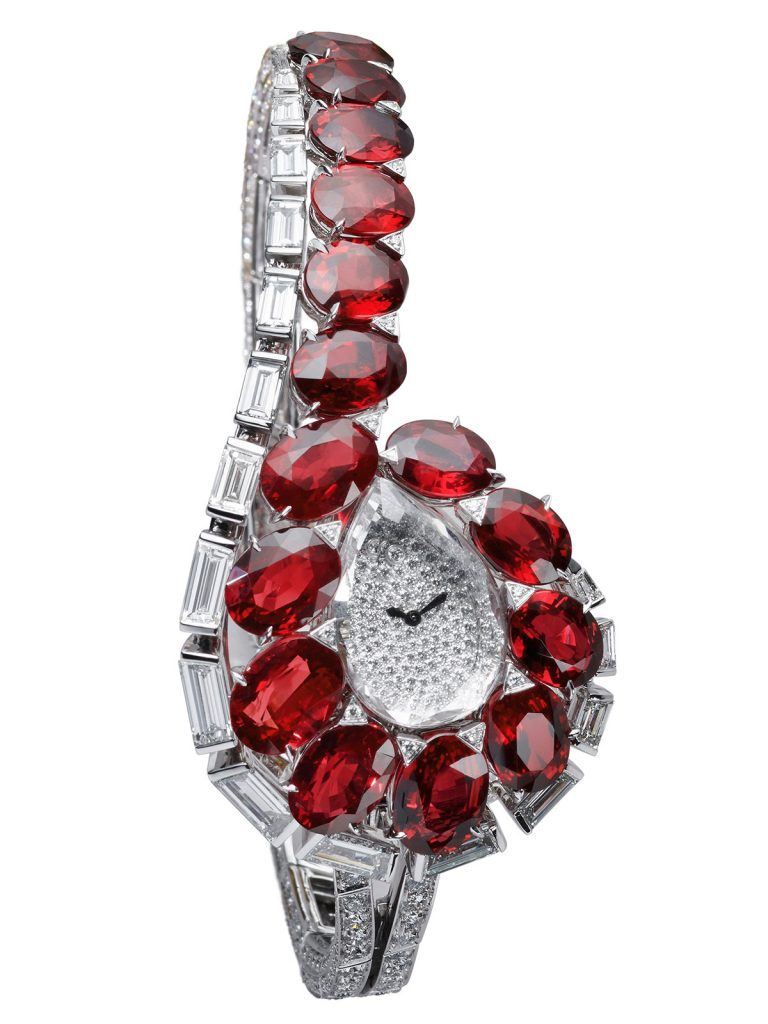
Cartier is famous for its annual prolific production of one-of-a-kind jewelry watches (20 were introduced at SIHH this week). One highlight is the Trait D’Eclat, set with 15 Mozambique rubies weighing a total of 24.93 carats, designed in a ribbon motif. The flash of fire produced by the gems is described in French as a “trait d’éclat.” It contains the manual-wound Jaeger-LeCoultre Caliber 101.


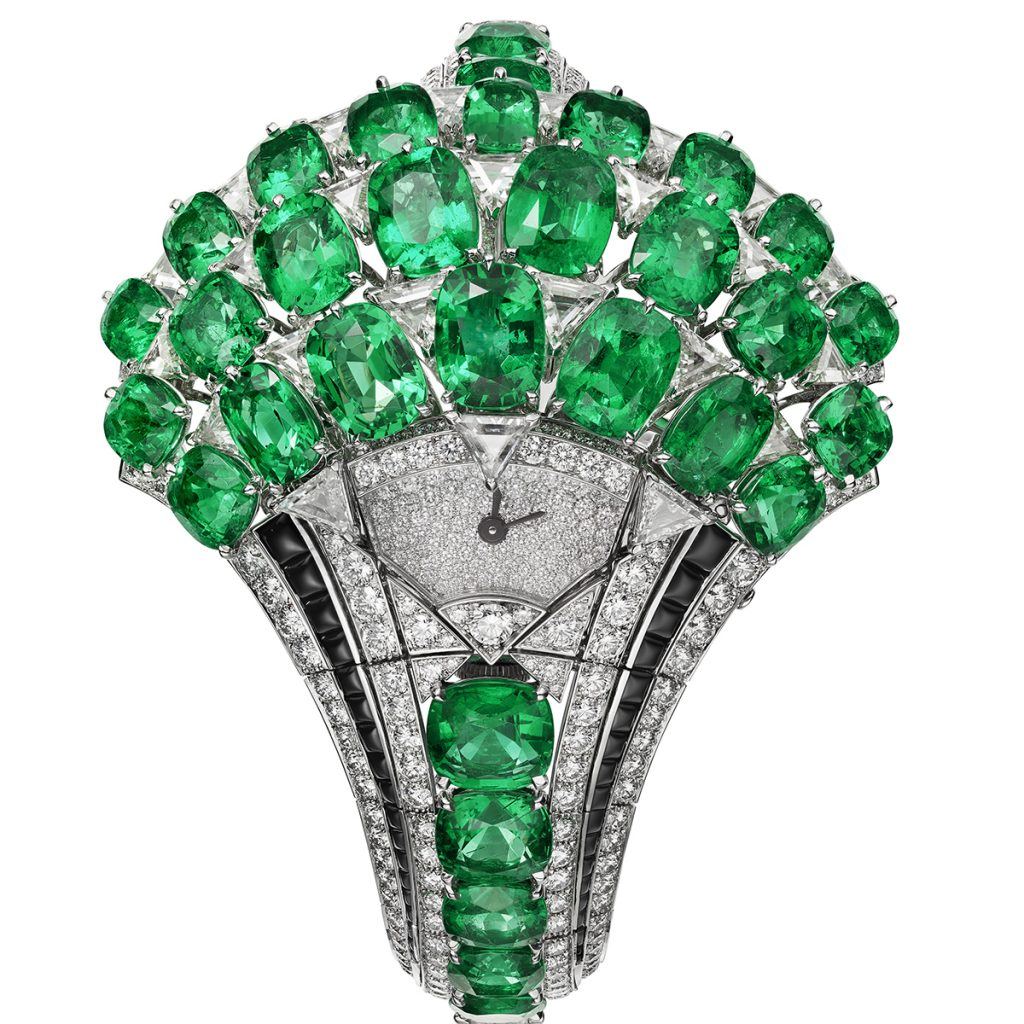
Another high-jewelry piece is the Papyrus, in 18k white gold and set with 32 cushion-shaped Zambian emeralds totaling 38.20 carats, along with onyx, triangular diamonds and brilliant-cut diamonds. It contains the manual-wound Caliber 846. The design is meant to resemble foliage, inspired by the papyrus plant motif in Cartier archival pieces. Two triangular shaped diamonds serve as “hour markers” at 12 and 6 o’clock.